This varanasi travel guide is written for first-time visitors who want to experience Kashi with respect and a bit of calm. Varanasi is one of the oldest continuously inhabited cities in the world, and life here still revolves around the Ganga and its long line of stone ghats.
It can feel intense: narrow lanes, crowds, cremation fires, bells and boats. With the right pace it becomes deeply moving. Below you will find the best time to go, how to reach, how to move around, a three-day plan, food, costs, etiquette and mistakes to avoid.
Table of Contents
Understanding Varanasi before you go
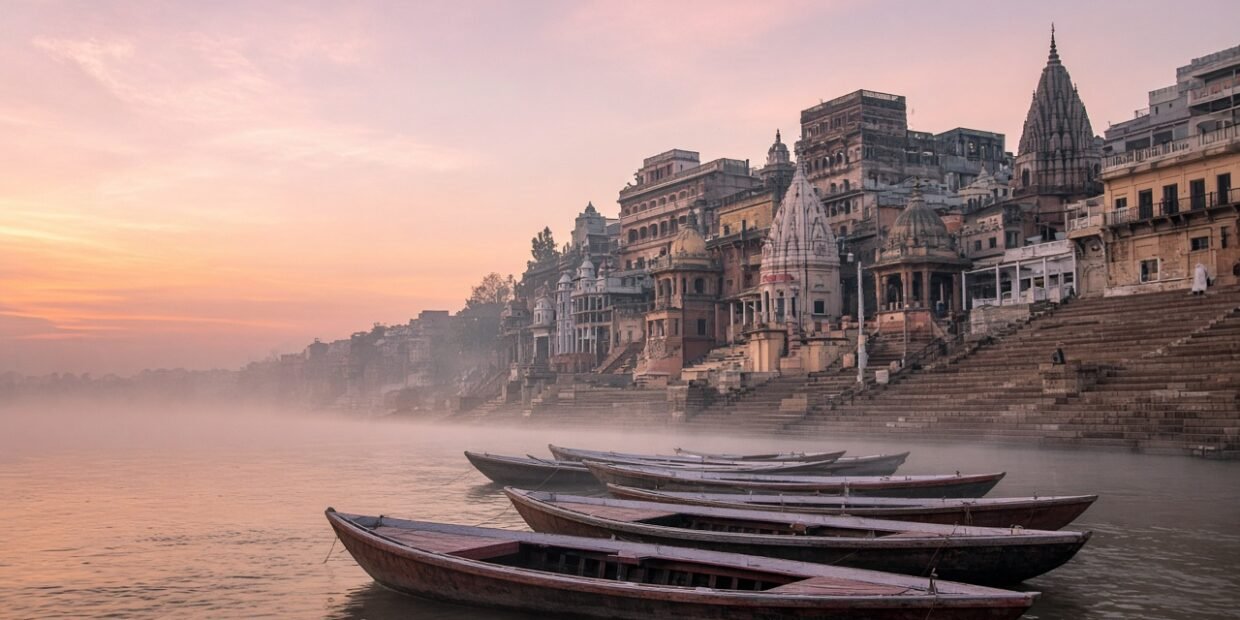
Varanasi, also called Kashi and Banaras, stretches along the western bank of the Ganga. More than 80 ghats run from Assi in the south to Raj Ghat in the north. Some are for bathing and prayer, some for washing, and two, Manikarnika and Harishchandra, are cremation grounds.
Behind the ghats lies the old city, a maze of galis (lanes) too narrow for cars. This is where you find temples, sweet shops, silk stores and family homes. A good varanasi travel guide plan keeps you near the river so you can walk most places.
Best time to visit Varanasi
For this varanasi travel guide, October to March is the most comfortable period. Winter mornings are misty and atmospheric, which is perfect for sunrise boat rides, though nights get cold in December and January. Pack a warm layer.
April to June is very hot. The monsoon (roughly July to September) raises the river, and some ghats flood, which can limit boat rides and ghat walks. Festivals such as Dev Deepawali (on Kartik Purnima, usually in November) are beautiful but extremely crowded, so book early.
How to reach Varanasi
By air
Lal Bahadur Shastri International Airport sits northwest of the city, roughly an hour or more from the ghats depending on traffic. See the AAI Varanasi airport page for terminal information. Use prepaid or app taxis.
By rail
Varanasi is well connected by train. Varanasi Junction (Varanasi Cantt) and Banaras station are the main stops, and Pt. Deen Dayal Upadhyaya Junction (Mughalsarai) is a short drive away. Overnight trains from Delhi are popular; see our guide to trains in India to choose a class.
By road
Highways connect Varanasi with Prayagraj, Lucknow and Bodh Gaya. Buses run from Lucknow and Prayagraj, but trains are usually more comfortable for longer routes.
Getting around the ghats and old city
Our top varanasi travel guide tip: walking is the best way to explore the ghats, which are linked by steps along the river. E-rickshaws and auto-rickshaws cover longer hops, though many cannot enter the old city lanes. Agree the fare before you sit, or use app cabs where available.
Boats are the classic way to see the riverfront. Hand-rowed boats suit sunrise; motorboats suit longer stretches. Agree the route, duration and total price before you step in.
Top experiences in this varanasi travel guide
- Sunrise boat ride: watch the ghats wake up, with bathers, prayers and yoga under soft light.
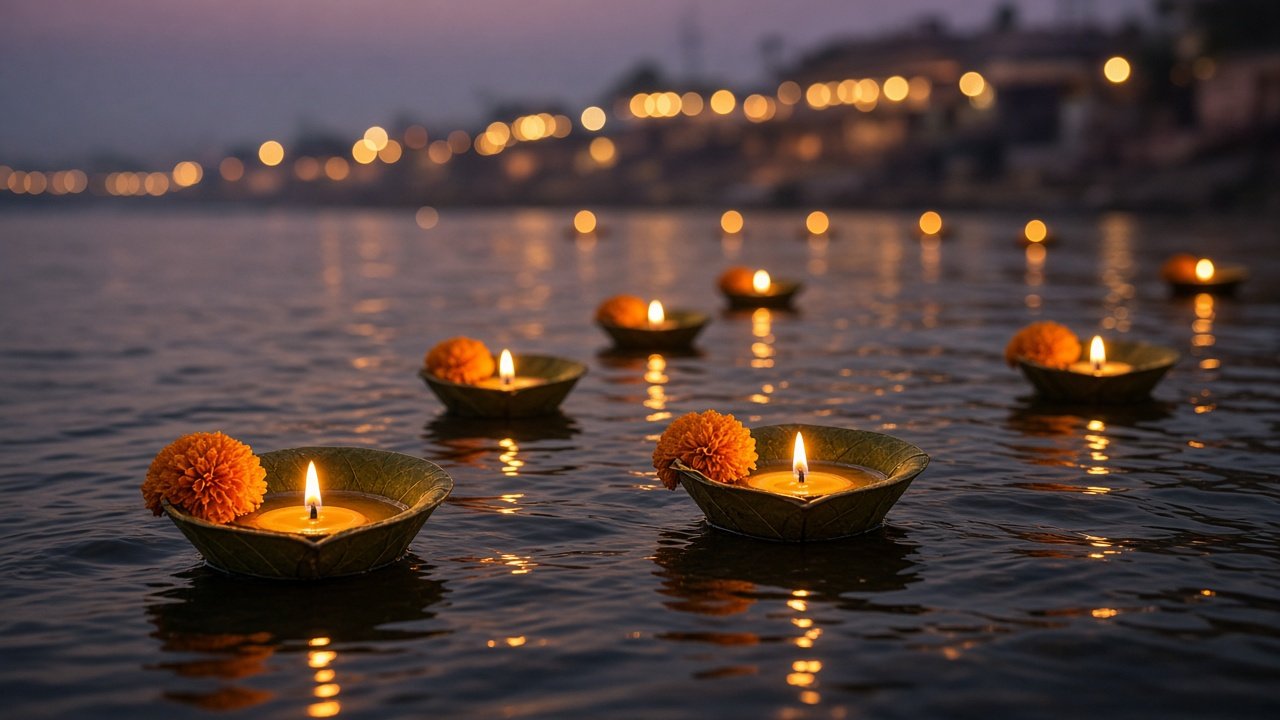
- Evening Ganga Aarti at Dashashwamedh Ghat: a synchronised fire ritual with lamps, conch shells and chanting. Arrive early for a spot, or watch from a boat.
- Subah-e-Banaras at Assi Ghat: a morning programme of aarti, music and yoga.
- Kashi Vishwanath Temple: the revered Shiva temple, now reached through the Kashi Vishwanath Corridor. Check darshan timings and rules on the official temple website; phones and bags are usually not allowed inside.
- Sarnath: about 10 km away, where the Buddha gave his first sermon. See the Dhamek Stupa, ruins and the archaeological museum, managed by the Archaeological Survey of India.
- Silk weavers: visit Banarasi silk workshops in weaving neighbourhoods to see handlooms at work.
Sample 3-day varanasi travel guide itinerary
Day 1 — Arrive and evening aarti
Check in near the ghats and rest. In the late afternoon, walk from Assi towards Dashashwamedh, then watch the Ganga Aarti. Keep dinner simple and early.
Day 2 — Sunrise boat, temples and lanes
Take a sunrise boat from Assi or Dashashwamedh. After breakfast, visit Kashi Vishwanath with a light bag. Spend the afternoon in the old city lanes with a local guide, and try a lassi and kachori-sabzi stop.
Day 3 — Sarnath and silk
Spend the morning in Sarnath. In the afternoon, visit a weaving workshop or a reputable silk store. End with a quiet sunset from a boat or a rooftop café on the ghats.
If you have extra time, add Ramnagar Fort across the river or a day trip to Bodh Gaya. Pair this varanasi travel guide with the Golden Triangle itinerary for a deeper North India loop.
Where to stay by budget
- Budget: guesthouses and hostels in the Assi and Bengali Tola areas.
- Mid-range: riverside heritage guesthouses and boutique stays with ghat views.
- Premium: restored palace hotels on the ghats and larger hotels in the Cantonment area.
Riverside rooms are atmospheric but often reached by steps and lanes. If you have heavy luggage or limited mobility, the Cantonment area is easier, though farther from the river.
Food to try in Varanasi
Banaras is a food city. Start with kachori-sabzi and jalebi for breakfast, then try tamatar chaat, chena dahi vada, baati chokha and thick lassi in clay cups. In winter, look for malaiyyo, a light saffron milk foam sold only on cold mornings.
End with a Banarasi paan if you are curious. Choose busy stalls with fast turnover, and drink sealed or filtered water. For more city food trails, see our Indian street food destinations guide.
Costs and budgeting
Every cost in this varanasi travel guide varies with season and festival dates. Varanasi suits every budget, from simple guesthouses to palace hotels. Boat ride prices depend on boat type, duration and season, so negotiate and confirm the total first. Guides and rickshaws also vary, so ask your hotel for a fair range before you go out.
Safety and etiquette
- Do not photograph cremations at Manikarnika or Harishchandra Ghat. It is deeply disrespectful.
- Dress modestly and remove shoes where asked at temples and ghats.
- Decline unsolicited “guides” firmly and politely; book guides through your hotel.
- Watch your step on wet, steep ghat stairs and keep valuables secure in crowds.
- Avoid swimming in the river; currents and water quality are a concern.
The Uttar Pradesh Tourism website lists official events and approved services, and this varanasi travel guide follows its basic etiquette advice.
Mistakes to avoid
- Rushing Varanasi in one day; it needs at least two nights.
- Skipping the sunrise boat ride, which is the city’s most peaceful moment.
- Carrying large bags to Kashi Vishwanath, where storage queues are slow.
- Booking a hotel far from the ghats without realising how slow traffic is.
- Paying for “special darshan” through touts instead of official channels.
Used well, this varanasi travel guide should help you feel the city’s rhythm rather than just tick off sights.
FAQ
How many days are enough for Varanasi?
Two to three days is ideal. That gives you a sunrise boat, the evening aarti, the old city and a half day in Sarnath, as this varanasi travel guide suggests.
What is the best time for the Ganga Aarti?
The main Ganga Aarti at Dashashwamedh Ghat is held every evening around sunset. Timings shift by season, so arrive 30 to 45 minutes early for a good spot.
Can I take photos at the cremation ghats?
No. Photography at Manikarnika and Harishchandra cremation ghats is considered deeply disrespectful. Observe quietly from a distance if at all.
Is Varanasi safe for solo travellers?
Generally yes, with normal care. Stay near busy ghats, avoid isolated lanes late at night and use hotel-recommended guides and boatmen.
Is Sarnath worth visiting from Varanasi?
Yes. It is a short drive away and adds historical and Buddhist depth to your trip. Note that the ASI museum has a weekly closing day, so check before going.
Keep exploring with Planning for India
Save this varanasi travel guide, and explore our Golden Triangle and train guides to build a complete North India trip with Planning for India.