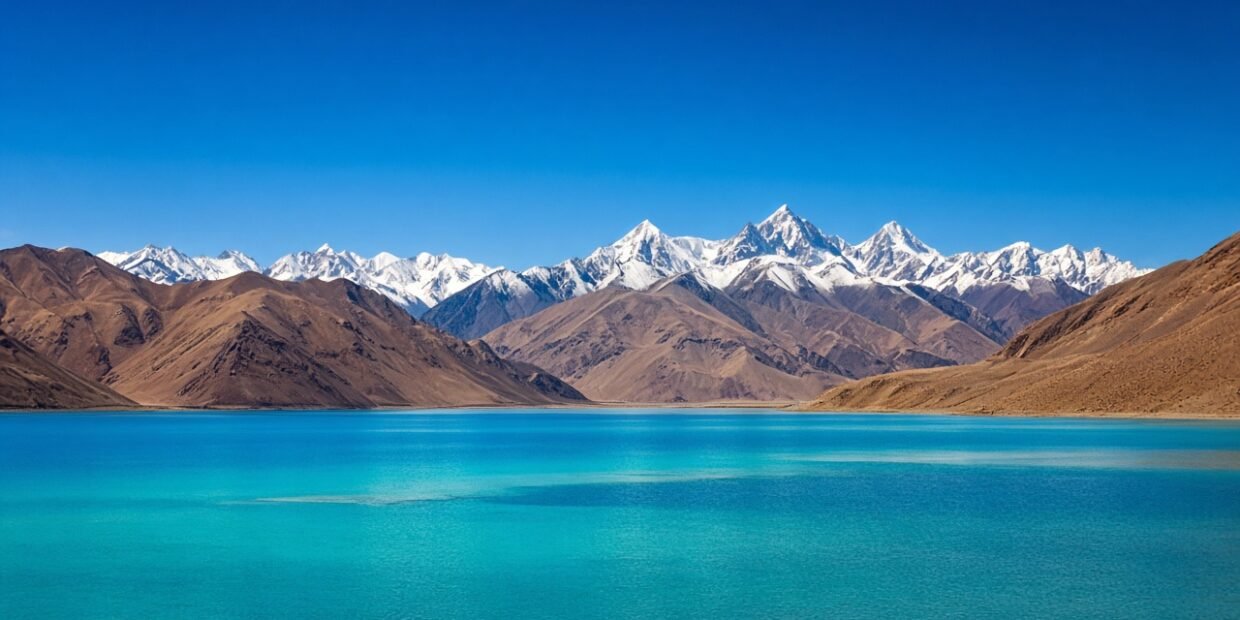
This ladakh travel guide is for travellers planning their first trip to India’s high desert. Ladakh is a land of bare mountains, turquoise lakes, Buddhist monasteries and some of the highest motorable passes in the world. It is spectacular, but altitude makes it unlike any other Indian holiday.
The single most important rule is to acclimatise. Below you will find when to go, how to reach Leh, permits, a safe seven-day plan, stays by budget, food, costs, safety and the mistakes that send travellers to hospital.
Table of Contents
Why Ladakh needs a different kind of planning
Leh, the main town, sits at roughly 3,500 metres. Pangong Tso and the high passes are higher still. At these heights the air holds less oxygen, and flying in directly from the plains puts you at risk of acute mountain sickness (AMS) if you rush.
That is why every sensible ladakh travel guide builds in rest days before any high-altitude excursion. Plan for at least six to seven days on the ground; anything shorter forces unsafe shortcuts.
Best time to visit Ladakh
In this ladakh travel guide, May to September is the main season. Roads open, lakes are blue and most camps and guesthouses operate. July and August are busiest; June and September are often the sweet spot with fewer crowds.
The Manali–Leh and Srinagar–Leh highways are seasonal and typically close in winter because of snow. Winter (roughly November to March) is extremely cold, and only flights connect Leh. It suits experienced travellers looking for frozen lakes and the Chadar trek, which needs specialist operators.
How to reach Leh
By air
Flying is the most common option. Kushok Bakula Rimpochee Airport in Leh has flights from Delhi and other cities; see the AAI Leh airport page. Flying in means a sudden jump in altitude, so plan two quiet days immediately after landing.
By road
The Manali–Leh highway crosses several high passes and usually takes two days with an overnight halt. The Srinagar–Leh highway via Zoji La and Kargil is gentler for acclimatisation because altitude rises gradually. Both open only in the warmer months, so check road status before travelling.
By rail
There is no railway in Ladakh. The nearest railheads are Jammu Tawi and Chandigarh, from where you continue by road or flight. Our guide to Indian trains can help plan that first leg.
Ladakh permits and fees in this ladakh travel guide
Visitors to areas beyond Leh, such as Nubra, Pangong, Tso Moriri and Hanle, must register and pay the applicable fees. The official Leh District permit portal handles both domestic and overseas tourists. LAHDC Leh says the fee includes an environmental (green) fee, a Red Cross Fund contribution and a wildlife fee, payable online.
Foreign nationals need a Protected Area Permit for restricted zones, usually arranged through a registered travel agency. Rules have changed in recent years, so check the portal and the Leh district website before you travel. Carry printed copies and photo ID; checkpoints may ask for them.
Sample 7-day ladakh travel guide itinerary
Days 1–2 — Rest and gentle Leh
Land in Leh and rest completely on day 1. Drink water, avoid alcohol and do not climb stairs quickly. On day 2, take an easy walk to Leh Market and Shanti Stupa in the evening if you feel fine.
Day 3 — Monasteries of the Indus valley
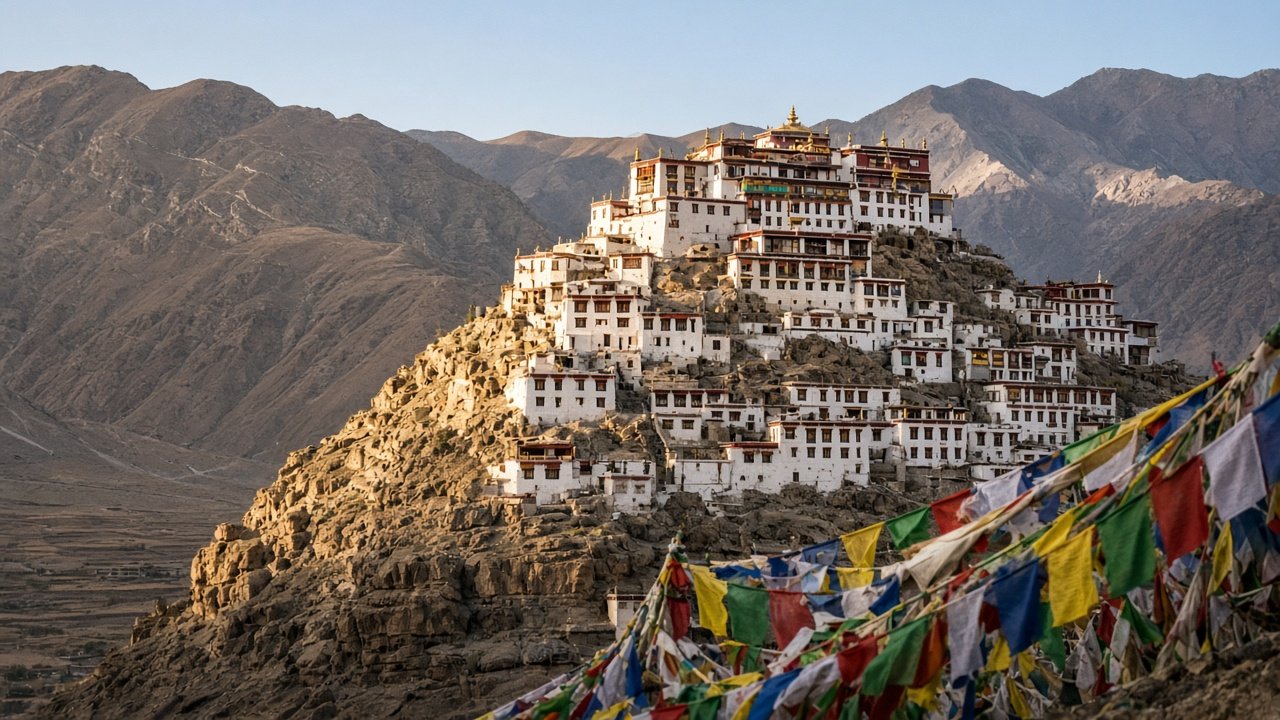
Visit Thiksey, Hemis and Shey monasteries, which sit at similar altitudes to Leh. Thiksey’s morning prayers are a highlight if you can wake early.
Days 4–5 — Khardung La and Nubra Valley
Cross Khardung La, one of the highest motorable passes, without lingering at the top. Descend to Nubra, visit Diskit Monastery and the sand dunes at Hunder, and stay overnight in a camp or guesthouse.
Day 6 — Pangong Tso
Drive to Pangong Tso via the Shyok route, where road conditions allow, or return to Leh and approach via Chang La. Watch the lake change colour through the day. Nights here are cold even in summer.
Day 7 — Return to Leh
Drive back to Leh and keep the evening free for rest and souvenir shopping. Plan to fly out the next morning.
Have more days? Add Tso Moriri or Hanle for stargazing. If high deserts appeal to you, pair this ladakh travel guide with our Spiti Valley travel guide for a second Himalayan trip.
Getting around Ladakh
The easiest ladakh travel guide advice on transport: most travellers hire a local taxi with a driver from Leh. Local taxi unions regulate routes, so self-drive cars from outside may face restrictions on some circuits. Motorbike rentals are popular but demand riding experience at altitude.
Mobile network coverage is limited outside Leh, and only some networks work reliably. Prepaid connections from other states have historically not worked in Ladakh, so many travellers use a postpaid SIM. Download offline maps before leaving town.
Where to stay by budget
- Budget: family guesthouses and homestays in Leh, Nubra and villages near Pangong.
- Mid-range: boutique hotels in Leh and comfortable fixed camps in Nubra and Pangong.
- Premium: luxury camps and heritage-style hotels in and around Leh.
Homestays offer warm hospitality and home-cooked meals, and they support local families directly.
Food to try in Ladakh
No ladakh travel guide is complete without the food, which is simple and warming. Try thukpa (noodle soup), skyu (a hearty pasta-like stew), momos, khambir bread with apricot jam, and butter tea. Apricots from Ladakh are famous, especially dried.
Stick to freshly cooked meals and boiled or filtered water. Avoid heavy meals and alcohol during your first days at altitude.
Costs and budgeting
Costs in this ladakh travel guide vary with season, vehicle type and stay category. The biggest expenses are usually flights and the private taxi for circuits like Nubra and Pangong. Taxi union rates are fixed by route and season, so ask your hotel for current rates. Add permit fees, camp stays and a buffer for weather delays.
Safety and altitude health
- Rest for 36 to 48 hours after flying in; do not go to Khardung La or Pangong straight away.
- Learn AMS symptoms: headache, nausea, dizziness, breathlessness. Descend if they worsen.
- Consult a doctor before the trip, especially if you have heart, lung or blood pressure conditions.
- Carry warm layers, sunglasses and high-SPF sunscreen; UV is intense at altitude.
- Respect monastery rules, walk clockwise around stupas and ask before photographing monks.
The Ladakh Tourism website has official advisories. Solo travellers will also find our solo travel tips useful for planning.
Mistakes to avoid
- Flying in and heading to high passes on the same or next day.
- Packing too tight an itinerary with no weather buffer.
- Forgetting to register and pay permit fees before leaving Leh.
- Relying on a prepaid SIM from another state.
- Leaving plastic waste at lakes and camps. Carry it back to Leh.
With patience and planning, this ladakh travel guide will help you see the region safely and enjoy every pass and lake.
FAQ
How many days do I need for Ladakh?
Plan at least six to seven days, including two rest days in Leh. This ladakh travel guide recommends seven days for Leh, Nubra and Pangong at a safe pace.
Do Indian tourists need a permit for Ladakh?
Indian visitors to areas beyond Leh, such as Nubra and Pangong, must register and pay environmental, Red Cross and wildlife fees on the official Leh permit portal. Check the latest rules before travel.
Is it safe to fly directly to Leh?
Yes, if you rest for 36 to 48 hours after landing and avoid exertion. Most altitude problems come from rushing to high passes too soon.
What is the best month to visit Ladakh?
June and September are often the best balance of open roads, good weather and fewer crowds. July and August are busier.
Can I drive my own car to Ladakh?
Yes, many travellers drive via Manali or Srinagar. However, local taxi union rules may restrict outside vehicles on some circuits, so check before you go.
Keep exploring with Planning for India
Save this ladakh travel guide, then read our Spiti Valley guide and solo travel tips to plan your next Himalayan adventure with Planning for India.