National Symbols of India
The national symbols are intrinsic to the Indian identity and heritage. Indians of all demographics backgrounds across the world are proud of these National Symbols as they infuse a sense of pride and patriotism in every Indian’s heart.
Table of Contents
National Flag
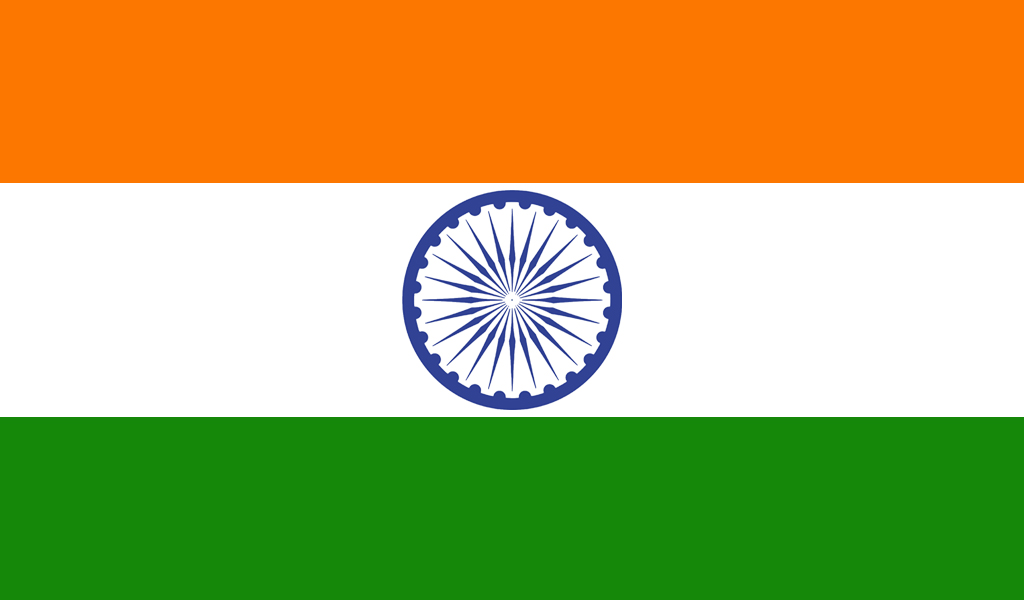
The National Flag (National Symbols of India) is a horizontal tricolour of India saffron (kesaria) at the top, white in the middle and India green at the bottom in equal proportion. The ratio of width of the flag to its length is two to three. In the centre of the white band is a navy-blue wheel which represents the chakra.
The top saffron colour, indicates the strength and courage of the country. The white middle band indicates peace and truth with Dharma Chakra. The green shows the fertility, growth and auspiciousness of the land.
Its design is that of the wheel which appears on the abacus of the Sarnath Lion Capital of Ashoka. Its diameter approximates to the width of the white band and it has 24 spokes. The design of the National Flag was adopted by the Constituent Assembly of India on 22 July 1947.
National Anthem
The National Anthem of India Jana-gana-mana, composed originally in Bengali by Rabindranath Tagore, was adopted in its Hindi version by the Constituent Assembly as the National Anthem of India on 24 January 1950. It was first sung on 27 December 1911 at the Kolkata Session of the Indian National Congress.
The complete song consists of five stanzas. The first stanza contains the full version of the National Anthem.
Playing time of the full version of the national anthem is approximately 52 seconds. A short version consisting of the first and last lines of the stanza (playing time approximately 20 seconds) is also played on certain occasions.
National Song
The song Vande Mataram (National Symbols of India), composed in Sanskrit by Bankimchandra Chatterji, was a source of inspiration to the people in their struggle for freedom. It has an equal status with Jana-gana-mana. On January 24, 1950, the President, Dr. Rajendra Prasad came up with a statement in the Constituent Assembly, “the song Vande Mataram, which has played a historic part in the struggle for Indian freedom, shall be honoured equally with Jana Gana Mana and shall have equal status with it.”
The first political occasion when it was sung was the 1896 session of the Indian National Congress. The song was a part of Bankimchandra’s most famous novel Anand Math (1882).
State Emblem
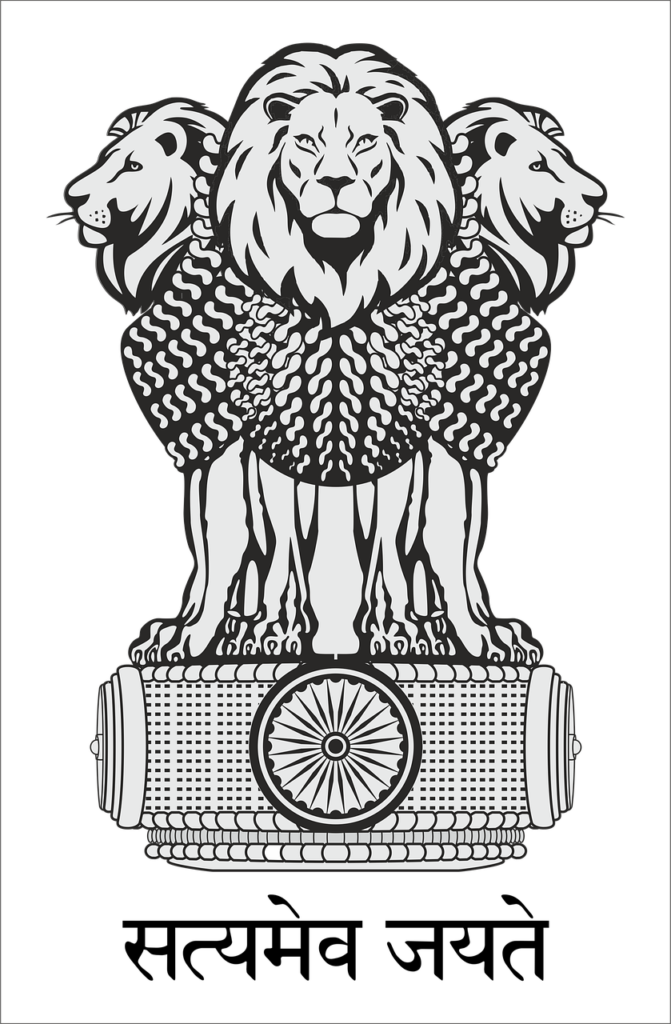
The state emblem (National Symbols of India) is an adaptation from the Sarnath Lion Capital of Ashoka. In the original, there are four lions, standing back to back, mounted on an abacus with a frieze carrying sculptures in high relief of an elephant, a galloping horse, a bull and a lion separated by intervening wheels over a bell-shaped lotus. Carved out of a single block of polished sandstone, the Capital is crowned by the Wheel of the Law (Dharma Chakra).
National Bird
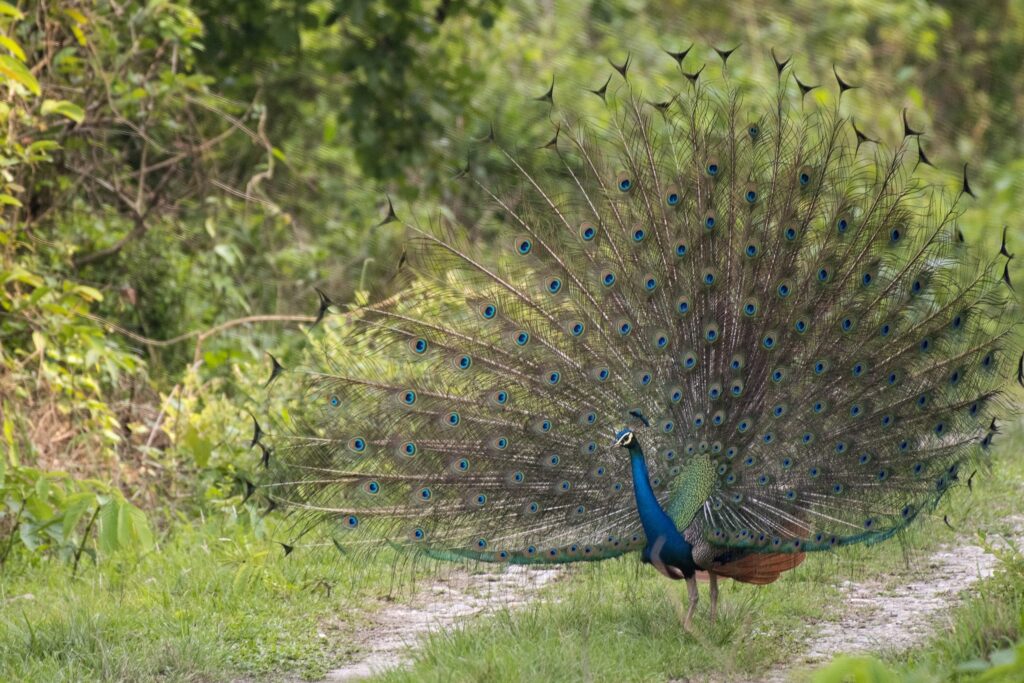
The Indian peacock (National Symbols of India), Pavo cristatus, the National Bird of India, is a colourful, swan-sized bird, with a fan-shaped crest of feathers, a white patch under the eye and a long, slender neck. The male of the species is more colourful than the female, with a glistening blue breast and neck and a spectacular bronze-green tail of around 200 elongated feathers. The female is brownish, slightly smaller than the male and lacks the tail. The elaborate courtship dance of the male, fanning out the tail and preening its feathers is a gorgeous sight.
National Animal
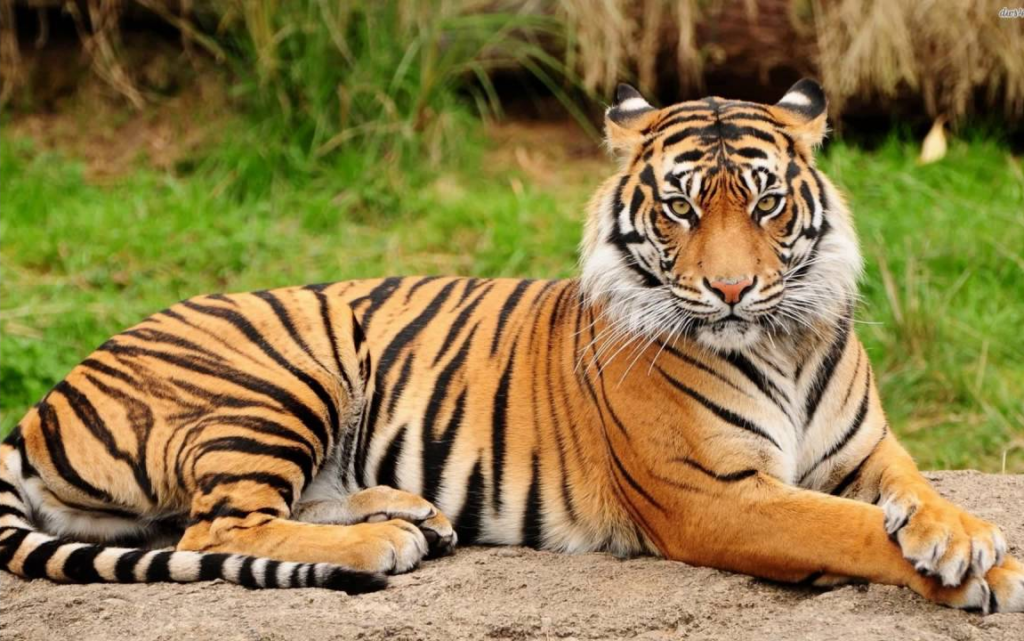
The magnificent tiger (National Symbols of India), Panthera tigris is a striped animal. It has a thick yellow coat of fur with dark stripes. The combination of grace, strength, agility and enormous power has earned the tiger its pride of place as the national animal of India.
National Flower
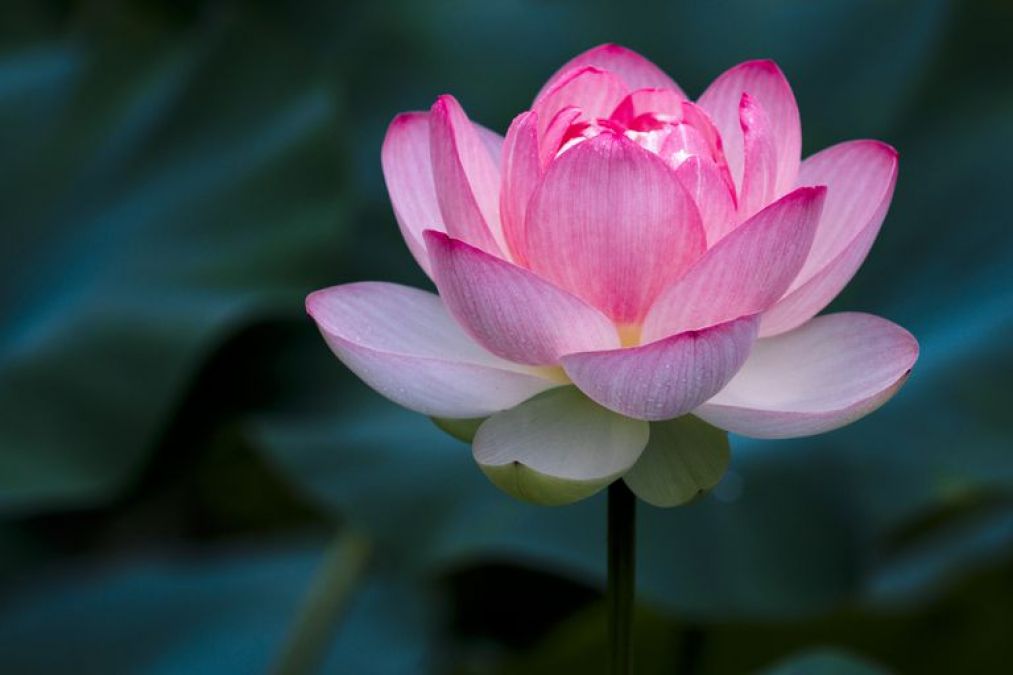
Lotus (National Symbols of India) (Nelumbo Nucifera Gaertn) is the National Flower of India. It is a sacred flower and occupies a unique position in the art and mythology of ancient India and has been an auspicious symbol of Indian culture since time immemorial.
India is rich in flora. Currently available data place India in the tenth position in the world and fourth in Asia in plant diversity. From about 70 per cent geographical area surveyed so far, 47,000 species of plants have been described by the Botanical Survey of India (BSI).
Read Also : Why Republic Day is Celebrated in India and its Significance?